Archaeological Research
Survey, excavation, laboratory analysis and publication of material culture.
IIACH · Archaeology · Culture · Heritage
Researching the past. Conserving heritage. Advancing knowledge.
Ministry of Culture
Leadership of the Union Ministry of Culture, as published on the official Ministry website.
About the Ministry
The primary mandate of the Ministry of Culture is the preservation and conservation of ancient cultural heritage and the promotion of tangible and intangible art and culture. The Ministry has 2 attached offices, 7 subordinate offices and 34 autonomous organisations, fully funded by the Government of India.
Work is organised across tangible heritage, intangible heritage and knowledge heritage. The Ministry also nurtures Gandhian heritage and commemorates important historical events and centenaries. Archaeology sits inside this system through the Archaeological Survey of India, the National Monuments Authority and the National Culture Fund.
About the Institute
IIACH is the national knowledge portal for archaeology, conservation science, museum practice, digital documentation and heritage education. The institute connects field method, laboratory work, legal literacy and public communication in one bilingual system.
Archaeology in India studies settlements, burials, workshops, inscriptions, coins, images and cultural landscapes. Heritage studies extend that enquiry to living practice — languages, crafts, performance and traditional knowledge. Conservation science asks how those traces can be stabilised and interpreted without erasing evidence.
Archaeology
Organisations published under the Ministry of Culture archaeology group. Figures and statutes are official public facts.
National framework
Offerings
Culture schemes listed on the Ministry of Culture portal. Applications are filed on the official site.
Mandate
Survey, excavation, laboratory analysis and publication of material culture.
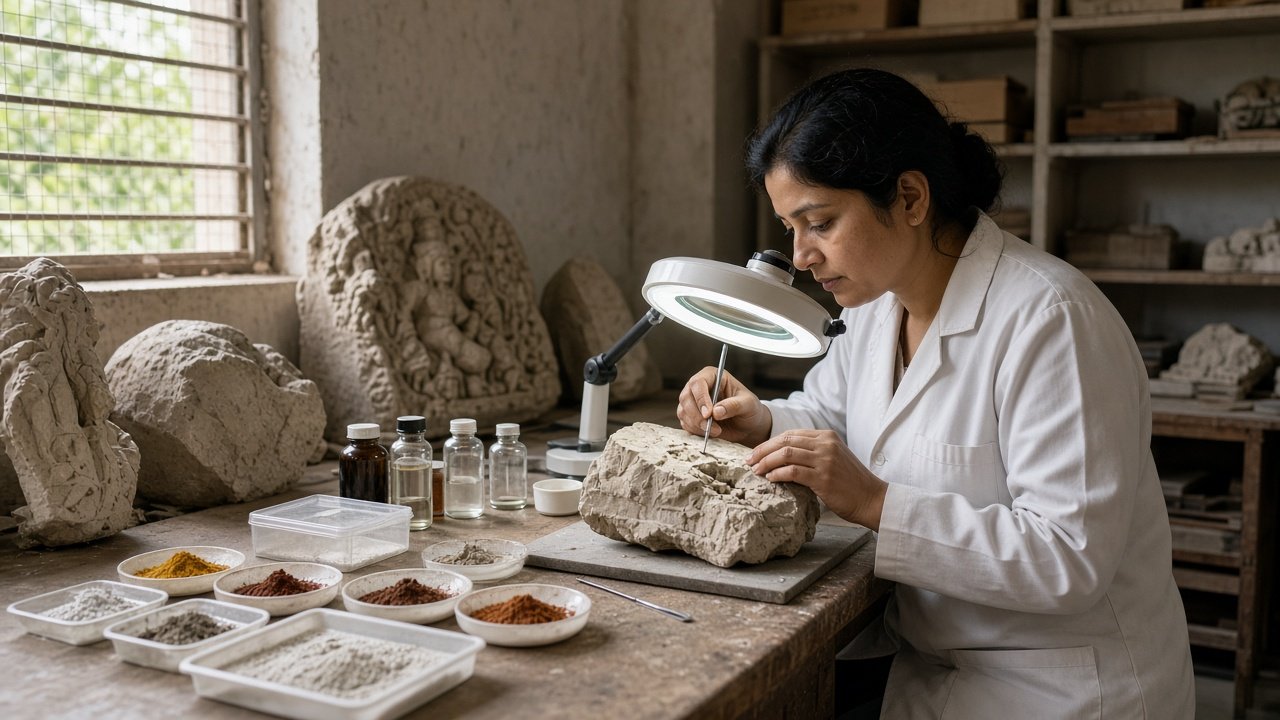
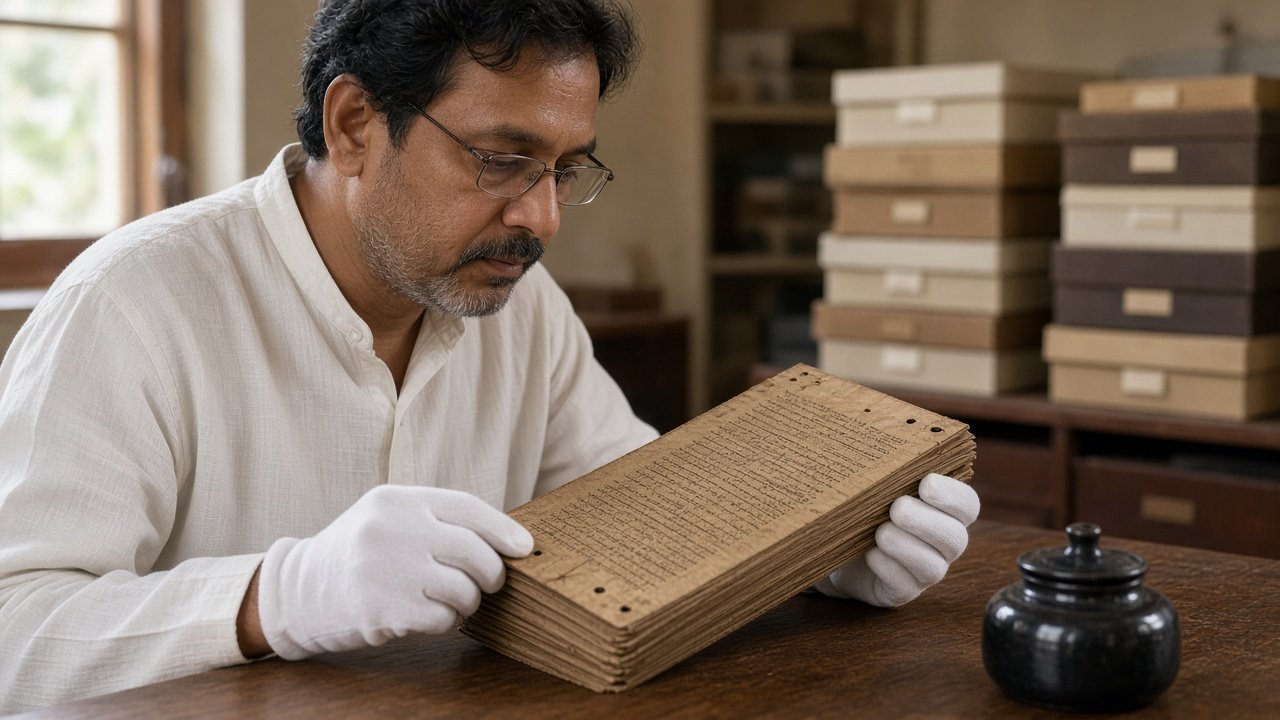
Scientific care of monuments, objects, archives and cultural landscapes.
Tangible and intangible traditions recorded with consent and scholarly standards.
Collections management, research and public interpretation.
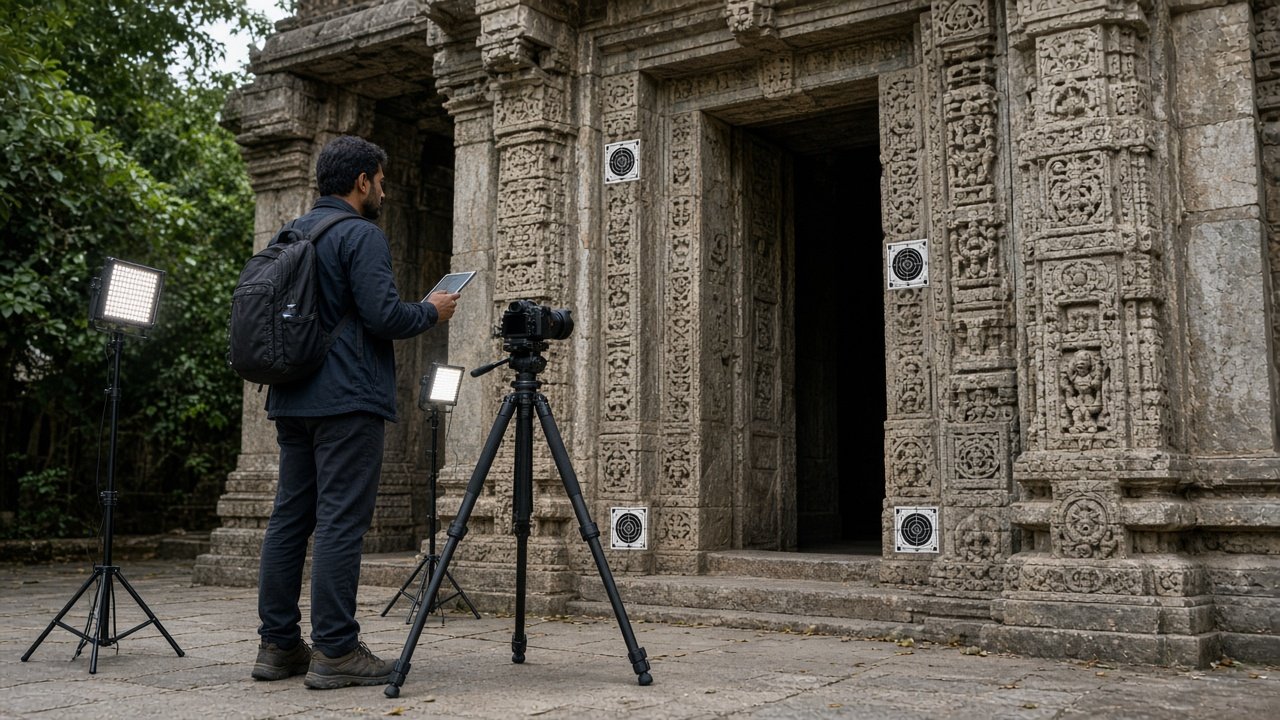
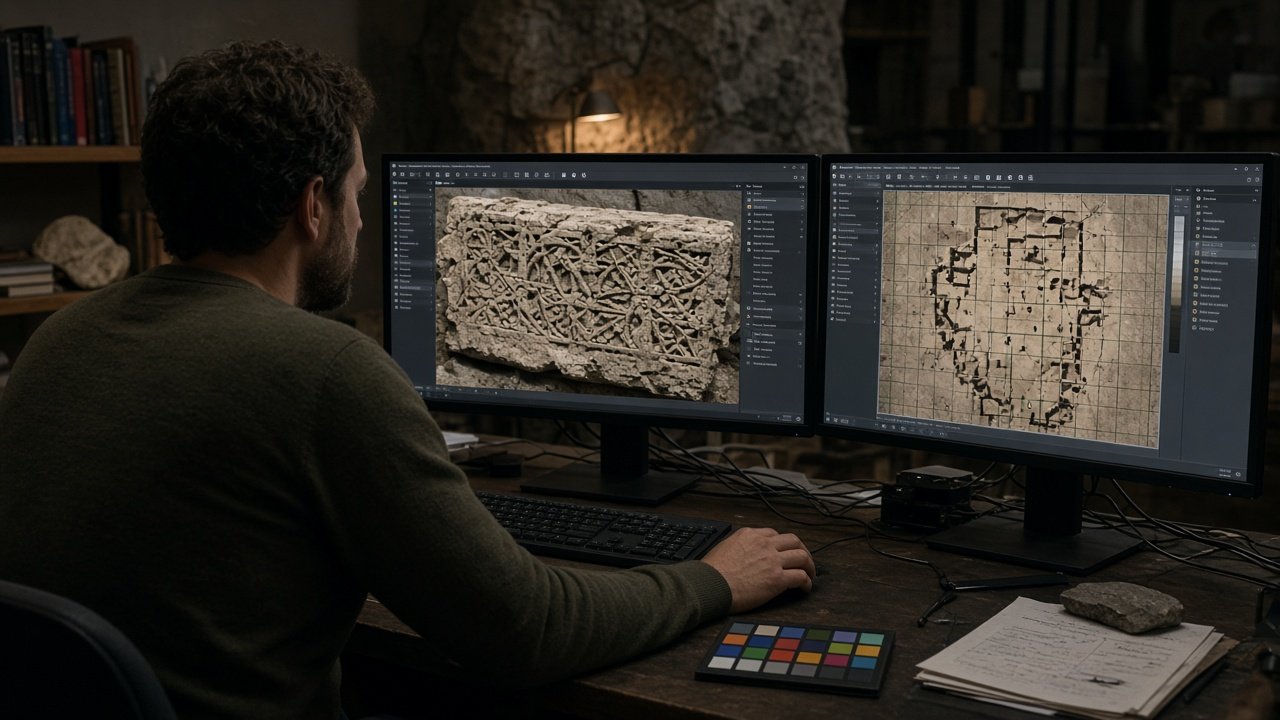
Digitisation, GIS, 3D documentation and long-term digital archives.
Field schools, workshops and professional training for heritage workers.
Bilingual resources for citizens, students and researchers.
Key areas
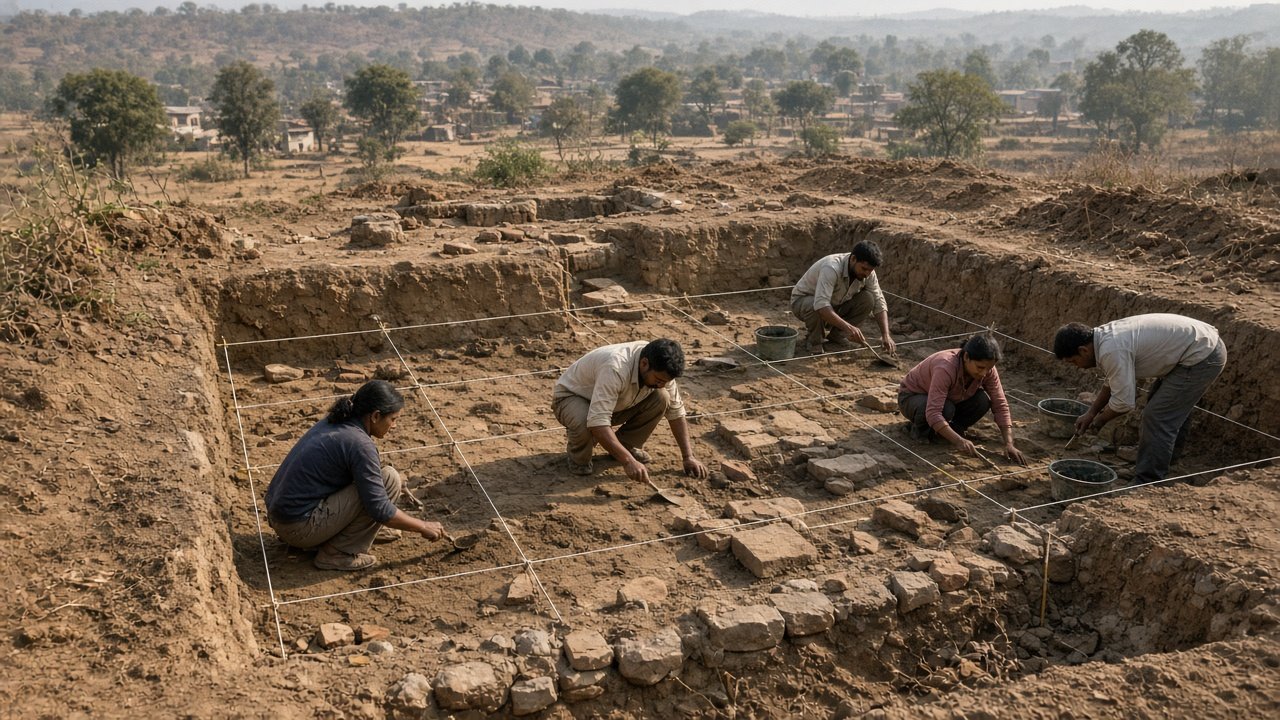
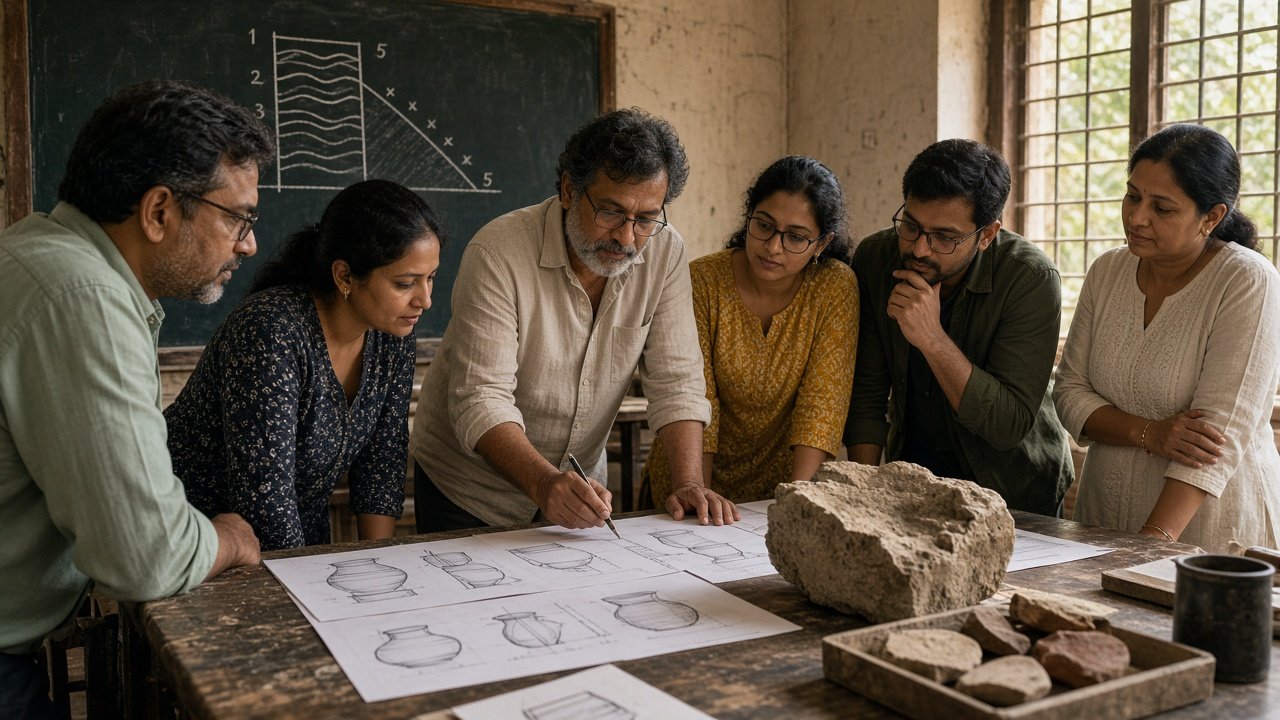
Survey, excavation, stratigraphy and archaeological science as one recording system.
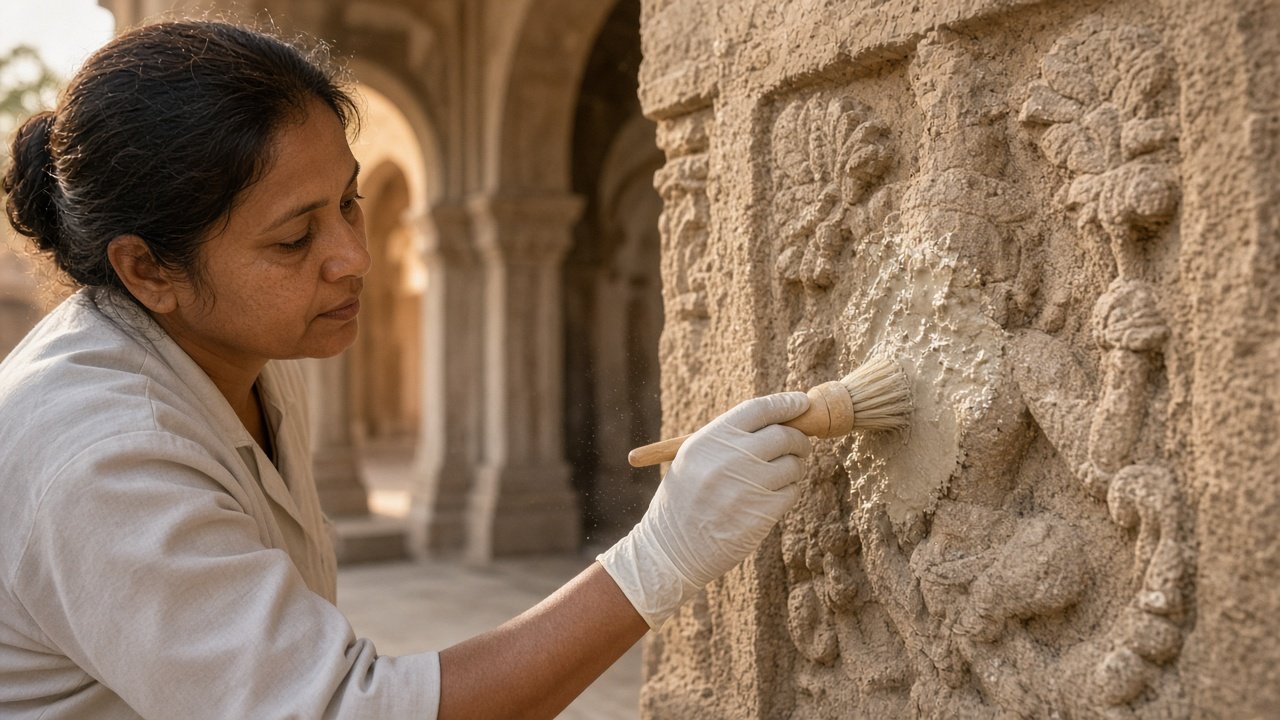
Stone, metal, wood, painting and manuscript conservation with preventive protocols.
Collections of place
Archaeology
Archaeology reconstructs human histories from stratified deposits, artefacts and ecofacts. IIACH pages cover field method, science and documentation against published Indian sequences.
Culture & Heritage
Built precincts, cultural landscapes, crafts, oral traditions and festivals are treated as research subjects with ethical documentation standards.
Laboratories and site crews share one principle: intervene only as much as evidence and values require. Open conservation
Areas, papers, ethics and fellowships for a national research office. Open research
Published type-series of Indian material culture: NBPW, PGW, punch-marked coins, Harappan seals, Chola bronzes. Open museums
Spatial enquiry
Every State and Union Territory opens a written brief drawn from published archaeology, plus catalogue places in that territory.
Digital Heritage
Photogrammetry, GIS, remote sensing and digital preservation for students and managers. Digital Heritage
Capacity
Certificate and diploma outlines, field schools and museum workshops. Curriculum follows published Indian and international teaching practice.
Careers
National culture, archaeology and citizen services.
Briefings on heritage law, catalogues and training.